
My experience with Oura Ring as a runner who tracks sleep & recovery (Unsponsored review)
Wearable health tech is everywhere, but the Oura Ring has quickly become one of the most talked-about devices for sleep tracking and recovery. Designed to monitor sleep, body temperature, heart rate variability and overall readiness, it promises deeper insights into your health than most smartwatches.
But with a premium price and a monthly subscription, the big question remains: is the Oura Ring actually worth it?
I’ve been wearing it every day since I got it in August 2025. Here’s a full and honest review covering sleep tracking accuracy, benefits, pros and cons, and real-life experience — especially from the perspective of a runner focused on recovery and long-term health.
What is the Oura Ring?
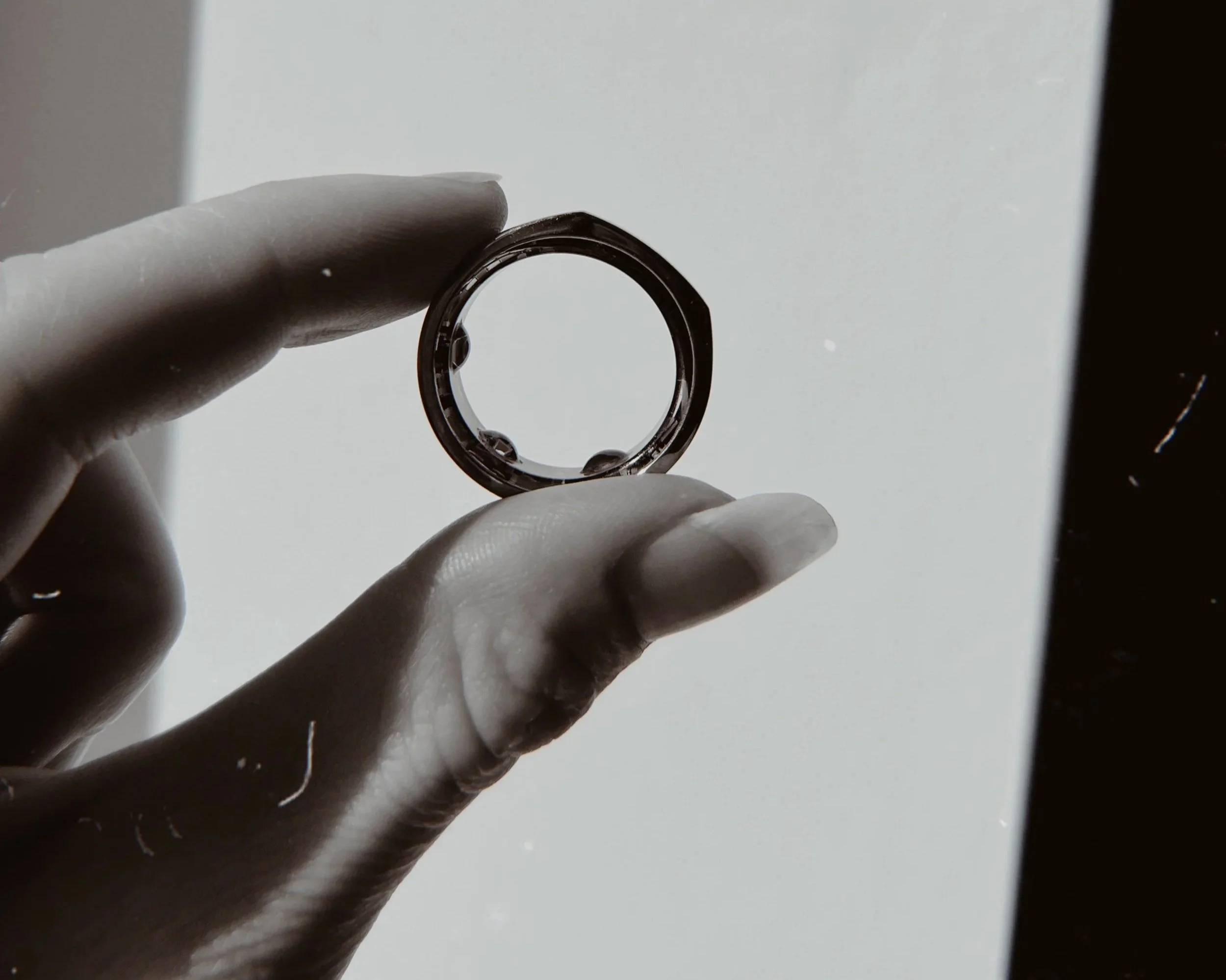
The Oura Ring is a wearable health tracker designed to monitor sleep, recovery and overall wellbeing through advanced biometric data. Instead of being worn on the wrist like a smartwatch, it sits on your finger and continuously tracks your body’s signals throughout the day and night.
The main focus of the Oura Ring is not fitness tracking but sleep, recovery and readiness. It measures metrics like heart rate, heart rate variability (HRV), body temperature, respiratory rate and sleep stages to give a daily readiness score and help you understand how well your body is recovering.
This makes it particularly appealing for people who want deeper health insights without constantly wearing a bulky smartwatch.
What does the Oura Ring track?
The Oura Ring focuses on key health and recovery metrics that directly impact performance and wellbeing.
It tracks:
sleep stages and sleep quality
resting heart rate
heart rate variability (HRV)
body temperature trends
readiness and recovery
stress and activity balance
cycle insights and temperature changes
The goal is to give you a clear picture of how your body is functioning and recovering, rather than just counting steps or calories.
Sleep tracking accuracy: is Oura Ring reliable?
Sleep tracking is where the Oura Ring really stands out.
Compared to most smartwatches, it provides more detailed and realistic sleep data. It tracks sleep stages, disturbances, time awake, deep sleep and restorative sleep in a way that feels much closer to reality.
The biggest advantage is its ability to detect night-time wake-ups and sleep quality variations. Instead of giving inflated sleep scores, it tends to reflect what your body actually experienced during the night.
The readiness and sleep scores are also based on multiple factors, including HRV, heart rate and body temperature, which creates a more holistic and accurate picture of recovery.
Overall, Oura is widely considered one of the most reliable consumer sleep trackers available, especially for people who care about recovery and long-term health trends.
My honest Oura Ring review
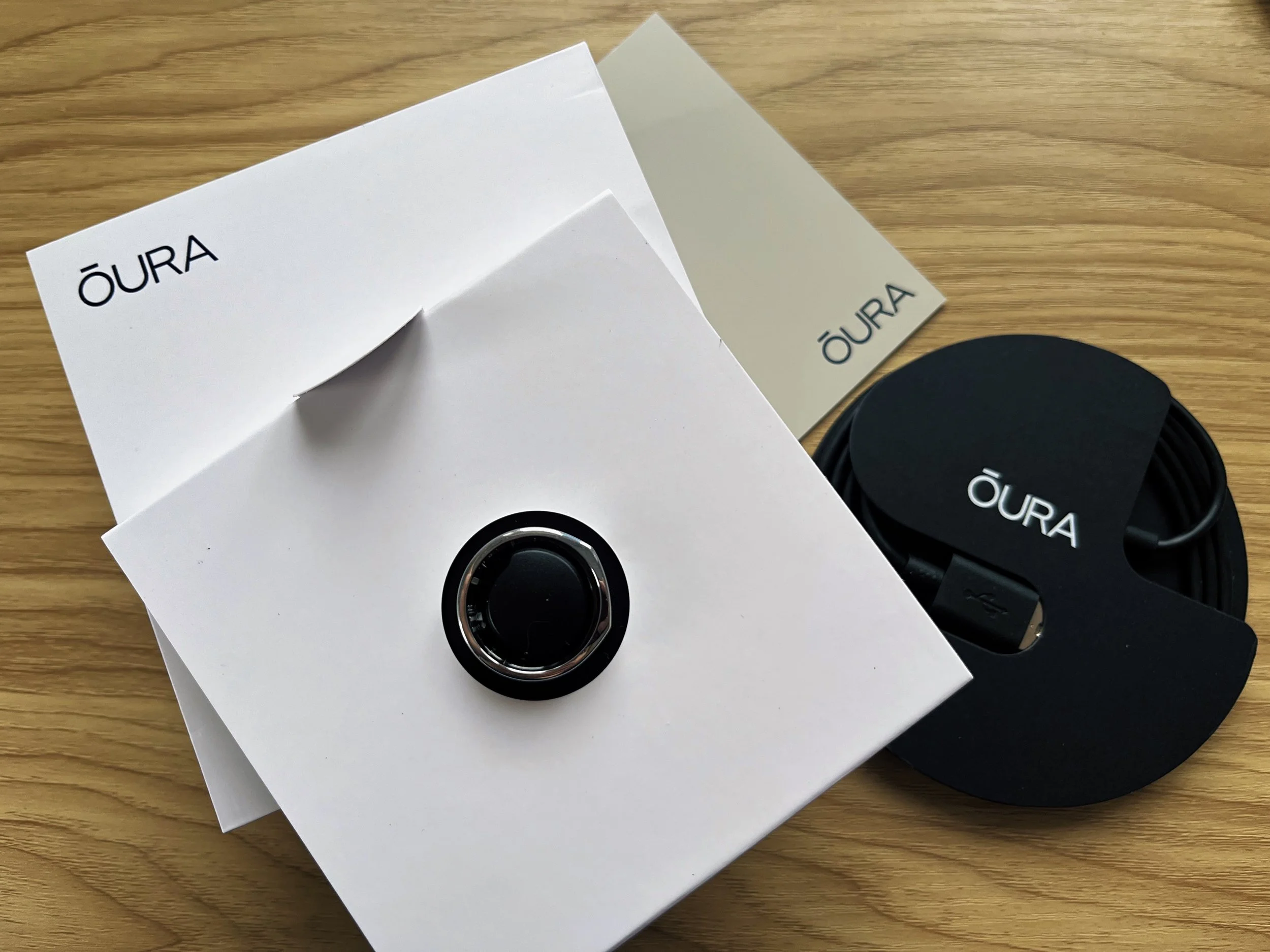
I decided to invest in the Oura Ring because I wanted to pay closer attention to my sleep and recovery as a runner. Sleep plays a huge role in performance and injury prevention, and I quickly realised that my Garmin watch was wildly inaccurate when it came to sleep tracking.
It rarely detected when I woke up during the night, which meant I was constantly getting high sleep scores even on nights where I felt tired and unrested. The data just didn’t reflect reality, and I wanted something more reliable.
That’s what pushed me to try Oura.
Sleep and recovery insights
The first thing I noticed was how much more accurate the sleep tracking felt. Oura detects when I wake up at night, when my sleep is light or restless, and how restorative my sleep actually is. Instead of blindly trusting a score, I now have real insights into how well I’m recovering.
I particularly like being able to see restorative sleep, HRV and readiness in one place. It helps me understand whether my body is actually ready for a hard training session or if I should take it easier.
The data doesn’t govern my life, but it informs my training, which feels like the right balance.
Body temperature and cycle tracking
Another major reason I bought the Oura Ring was body temperature tracking.
As someone with an irregular cycle, I wanted a better understanding of how my body changes throughout the month. Being able to track temperature trends has been incredibly interesting and helpful. Over time, I’ve started to see clear patterns, and it gives me a much better idea of where I am in my cycle and when my period might arrive.
It’s not meant to replace medical tools, but it provides valuable insight and makes me feel more in tune with my body.
Tags and long-term data
One feature I really love is the tagging system.
You can add tags like late workout, stress, travel, alcohol, illness or anything relevant to your day. Over time, you start to see how different habits affect HRV, sleep quality and recovery.
This long-term data is where Oura becomes really powerful. It’s not just about daily scores — it’s about understanding patterns and making better decisions.
Training and workouts
I personally don’t use Oura to track workouts. I still rely on my Garmin watch for running, pace tracking and training sessions.
For me, Oura works best as a recovery and health tracking device rather than a fitness tracker. Garmin handles performance, and Oura handles recovery and sleep. Together, they complement each other really well.
Overall experience
Overall, I love using the Oura Ring as a reliable source of information to support my training and recovery. It gives me insights I simply couldn’t get from my smartwatch, especially when it comes to sleep and body temperature trends.
I’ve worn it every single day since I received it. If it’s not on my finger, it means I’m charging it. I check the Oura app for insights every morning and every night, and I just love knowing what’s going on, or what I can anticipate based on data.
I would highly recommend it to runners and especially to women who want deeper insights into recovery, sleep and cycle patterns.
Pros and cons of the Oura Ring
Pros
very accurate sleep tracking
detailed recovery and readiness insights
body temperature and cycle tracking
lightweight and comfortable to wear
long battery life
useful long-term health data
great for runners and recovery-focused training
Cons
premium upfront price (previous Oura versions are often discounted which sweetens the deal)
monthly subscription required for full features
takes time to fully understand the data
Overall, the pros strongly outweigh the cons if your priority is sleep and recovery.
Is the Oura Ring worth it?
If your main goal is better sleep tracking, recovery insights and understanding your body, the Oura Ring is absolutely worth the investment.
It provides accurate and meaningful data that helps you make smarter decisions about training, rest and overall health. Instead of guessing how well you slept or recovered, you get clear insights that support long-term wellbeing.
For runners, busy professionals and especially women looking to better understand their body and recovery patterns, it’s one of the most valuable health tools available today.
The Oura Ring isn’t about tracking every step or workout — it’s about understanding your body and improving recovery over time. And if that’s what you’re looking for, it delivers exactly what it promises.
Oura Ring FAQ
Is the Oura Ring accurate for sleep tracking?
Yes, it is widely considered one of the most accurate consumer sleep trackers. It detects wake-ups, sleep stages and recovery metrics more reliably than most smartwatches, giving a realistic picture of sleep quality.
Does the Oura Ring track menstrual cycle and body temperature?
Yes, it tracks body temperature trends and uses this data to provide cycle insights over time, which can help estimate different phases of the menstrual cycle and improve body awareness.
Do you need a subscription for the Oura Ring?
Yes, a monthly subscription is required to access full insights and detailed data within the app. Without it, the device still works but many advanced features are limited. In the UK it’s currently £5.99 per month.
Can runners benefit from the Oura Ring?
Yes, it is particularly useful for runners because it tracks sleep, recovery and heart rate variability, helping you understand when to push training and when to prioritise rest.
Can you wear the Oura Ring all day?
Yes, it is lightweight and comfortable enough for daily and night-time wear, which makes continuous health tracking easy and unobtrusive.
How long does the Oura Ring battery last?
From my personal experience, the battery typically lasts four days and charging takes less than an hour, making it easy to maintain as part of a daily routine.
Latest lifestyle posts




This post contains some affiliate links. I may earn a small commission if you make a purchase through this blog, however it doesn’t change the price of the item for you. Thank you for your support.